Toilet bowl mold can be a common problem no matter where you live. It’s almost entirely a cosmetic concern, not a health concern, and the presence of mold or fungi in a toilet bowl doesn’t, in itself, indicate a more serious mold problem at home. Your home could be mold-free and you might still find this fungus in the toilet bowl, or your home could have problematic levels of mold growth and yet your toilet bowl is pristine.
Here’s why, and what you can do about it if it becomes a recurring problem.
It’s Not Actually Mold—It’s a Fungus
What you’re seeing in your toilet bowl usually isn’t mold at all, but a fungus called “aureobasidium.” While homeowners often use the word “mold” more casually, this distinction matters because understanding what you’re dealing with helps you address it properly.
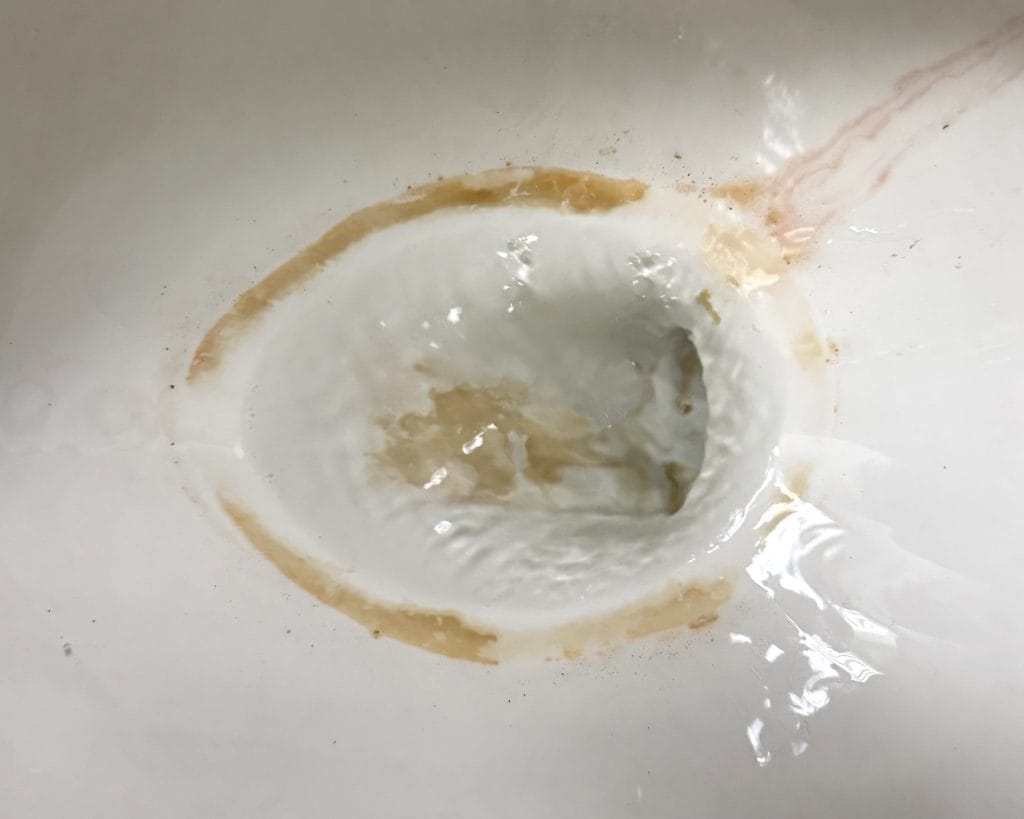
If your toilet bowl has a dark yellow-brown ring around it at the water level, it’s not mold, but is this fungus. While mold needs some level of moisture to grow, this specific fungus needs actual standing or stagnant water. (Black mold can also grow in stagnant water, but black mold in the toilet bowl of an occupied home is highly unlikely, and may not be possible at all, simply due to the conditions required by each.)
Unlike true mold, which reproduces through spores and requires specific moisture and organic matter conditions, toilet fungi thrive in water-rich environments and feed on mineral deposits and organic material in water.
Why Toilet ‘Mold’ Keeps Coming Back
Toilet bowl fungi and mold return often, because the underlying conditions that caused it to grow haven’t changed.
Toilet fungi are persistent because toilets provide a perfect breeding ground: Stagnant water, mineral buildup, and a pretty steady food source of organic compounds.
Most Common Causes:
- Hard water and mineral deposits: In the Tampa Bay area, our natural or untreated water contains minerals that fungi feed on.
- Low water flow: Bathrooms that aren’t used often allow water stagnation.
- Poor ventilation: Bathrooms without adequate airflow trap humidity.
- Accumulated organic matter: It’s a toilet afterall, and organic matter and other debris feed fungal growth.
- Toilet tank contamination: If the problem persists despite regular cleaning, the issue may originate in the toilet tank itself.
Simple Solutions
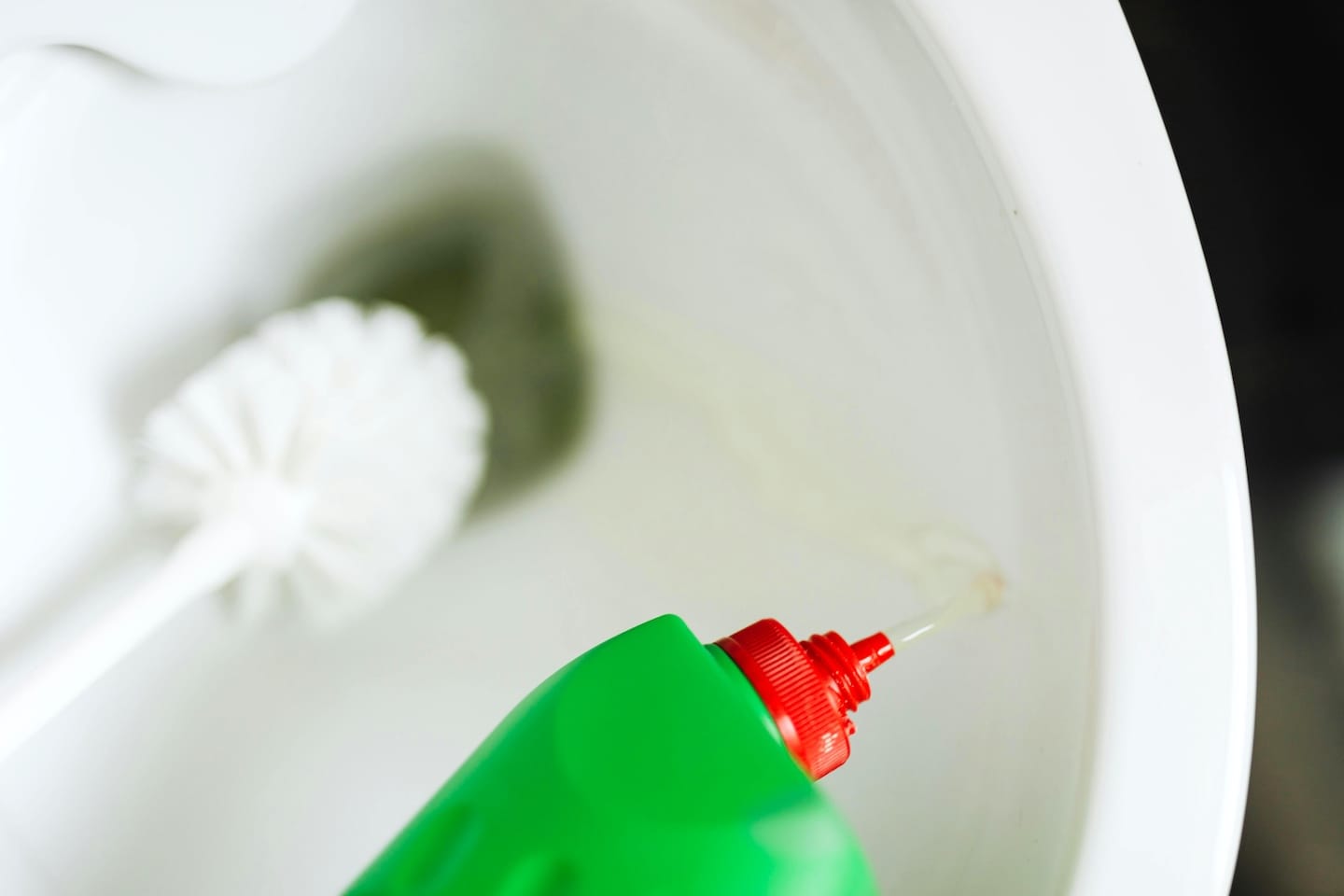
If this is the first time you’re noticing mold or fungi in your toilet bowl, there are several basic household cleaning products that will work well:
- Bleach-Based Cleaners: Bleach isn’t recommended for mold removal on porous surfaces like walls, caulk lines, and floor tiles, but it is safe and effective against toilet fungi (your porcelain toilet bowl is non porous). Pour a ½ cup of bleach directly into the bowl, let it sit for 10-20 minutes, scrub with a toilet brush, and flush. Bleach kills the fungus on contact, but it won’t address the underlying conditions causing regrowth.
- Vinegar and Baking Soda: For a gentler approach, pour a cup of white vinegar into the bowl, sprinkle in baking soda, and let it fizz for 30 minutes, then scrub and flush it. This works better as a preventative maintenance cleaner.
- Commercial Toilet Bowl Cleaners: Most contain acidic compounds designed to break down mineral deposits where fungi hide.
Without one of these cleaning solutions, a toilet brush alone is unlikely to be effective, because it only removes what’s visible. The fungus also grows beneath the waterline, under the rim, and in the tank.
Addressing Recurring Problems
If fungi return within weeks despite regular cleaning, you need to go deeper:
- Clean the toilet tank: Remove the tank lid and look for growth inside. Use a brush or cloth with bleach solution to clean tank walls and components.
- Improve ventilation: Run your bathroom exhaust fan during and for 20-30 minutes after showers.
- Address hard water: Consider a water softener or use a toilet tank tablet designed to reduce mineral buildup.
- Increase water flow: If a toilet is rarely used, flush it more often or check for drainage issues.
- Check for hidden moisture problems: If multiple bathrooms are affected, it may indicate a larger humidity or plumbing issue.
When to Call Professionals
Persistent mold and fungal issues throughout your home can signal deeper problems like poor ventilation, water intrusion, or plumbing leaks. If you’re battling recurring bathroom contamination despite your efforts, Mold Solutions Tampa Bay offers professional assessment and remediation services throughout Clearwater, Tampa, Dunedin, and surrounding areas.
At Mold Solutions, our health-centric approach addresses not just what you see, but why it’s happening.
We detect and test for moisture issues that encourage fungal growth, then implement solutions tailored to your home’s specific conditions.